A RESNET Certified HERS Rater (RTIN 4516301) and LEED Accredited Professional, with a career built on 350+ certified energy ratings performed in St. Lucie County. Randolph Scott Bell, also a Florida State-Certified General Contractor (CGC1528750).
The HERS Index is the Home Energy Rating System created and administered by RESNET (the Residential Energy Services Network) — the national scoring standard used to describe how efficient a home is relative to a fixed reference point. A home built to the reference standard scores 100; a net-zero-energy home scores 0. Every point below 100 represents an incremental efficiency gain over that reference, which is why the HERS Index shows up on new-construction spec sheets, ENERGY STAR® certification paperwork, and some code-compliance and incentive-program documentation.
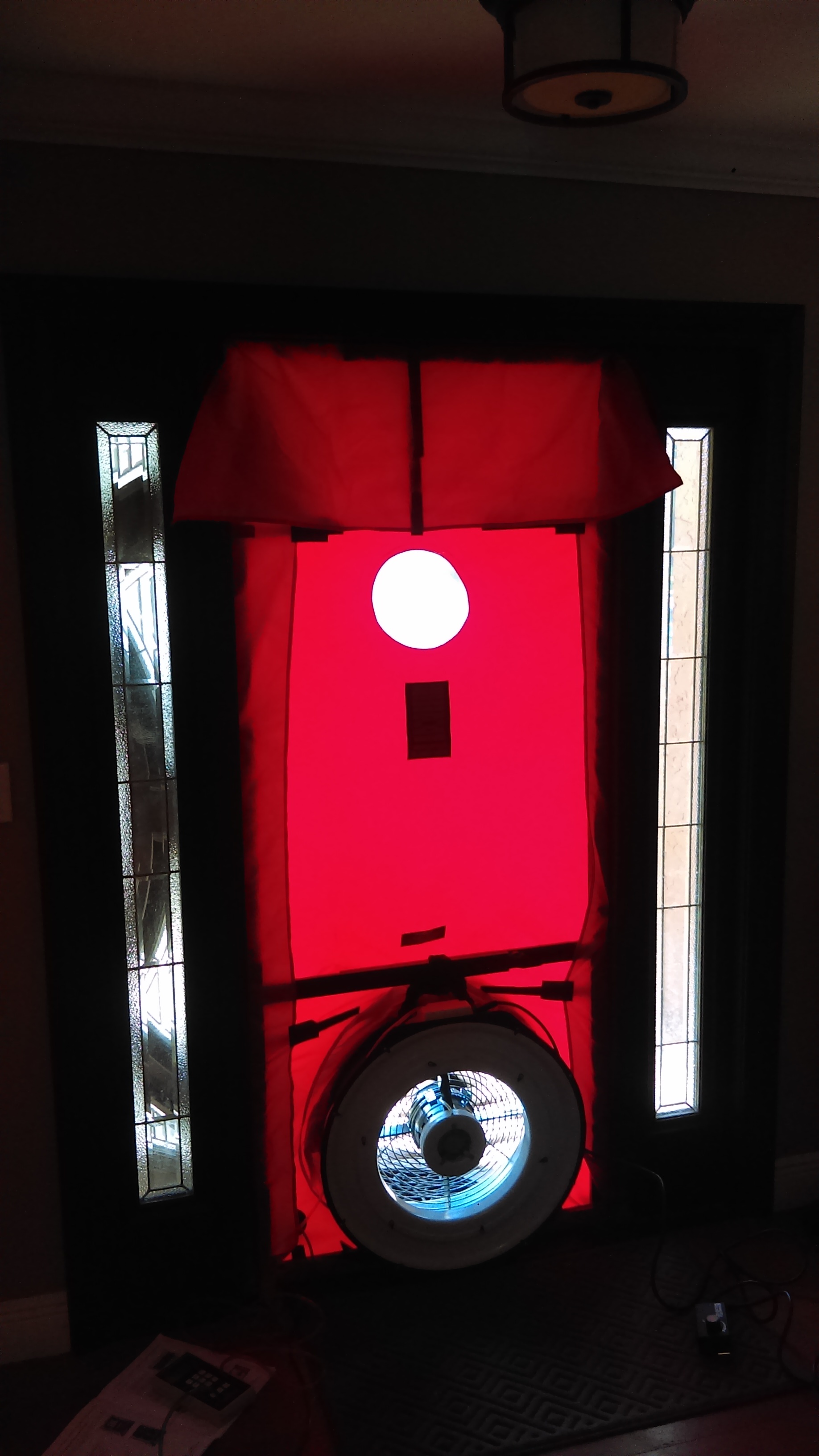
A HERS rating is performed by a RESNET Certified HERS Rater and is not a visual walkthrough — it combines on-site diagnostic testing (blower-door and duct-pressure testing among them) with a modeled energy analysis of the home's construction, systems and equipment to produce the score. The rating is registered with RESNET's national registry, which is what makes the number portable and verifiable rather than a private estimate.
Randolph Scott Bell holds RESNET certification as a HERS Rater, RTIN 4516301, and is also a LEED Accredited Professional. That credential stack was built during an energy-rating career working for a solar fund based in Fort Pierce, Florida, over the course of which he performed 350+ certified energy ratings in St. Lucie County — the volume that turned the HERS diagnostic process from a checklist into a habit.
He is also a Florida State-Certified General Contractor (CGC1528750), 17 years building in Palm Beach County. The combination is unusual: most HERS raters do not also hold a general contractor's license, and most general contractors have not spent a career reading a house's energy performance in numbers rather than opinions. Read the diagnostic process itself — a documented blower-door and infrared-thermography energy audit, with the photographs — on the consulting page.
This page is about the HERS rating and the credential behind it. If you're looking for the broader homeowner-facing energy audit process — what a whole-house energy audit finds and what gets fixed afterward — that is covered in the home energy audit guide and energy-efficient home improvement. Both sit on the construction side of the site; this page is the rating credential and the advisory engagement itself.
HERS rating and energy consulting is one of the advisory engagements on the consulting page — call to talk through what your project needs. This is advisory work, scoped per project; there's no fixed price list here.
A HERS rating scores a home's energy efficiency on the HERS Index, the national standard created and administered by RESNET (the Residential Energy Services Network). A score of 100 represents a fixed reference-home standard and 0 represents a net-zero-energy home — every point below 100 is an incremental efficiency gain over the reference.
A HERS rating must be performed by a RESNET Certified HERS Rater. Randolph Scott Bell holds that certification (RTIN 4516301) and is also a LEED Accredited Professional and a Florida State-Certified General Contractor (CGC1528750).
A HERS rating combines on-site diagnostic testing — including blower-door testing to measure envelope air leakage and duct-pressure testing to measure duct leakage — with a review of the home's insulation, windows, and HVAC and water-heating equipment. The result is calculated and registered with RESNET's national registry.
It depends on the jurisdiction, the builder, and any incentive or certification program involved — a HERS rating is commonly used to document ENERGY STAR® certification or program compliance, but requirements vary by project. Confirm current requirements with your local building department, or ask us about current programs for your specific project.
A HERS rating produces a registered, standardized Index score used for certification and program compliance. A home energy audit uses similar diagnostic tools — blower-door and infrared thermography among them — but is generally aimed at identifying and prioritizing efficiency upgrades for an existing home rather than producing a registered score. See the home energy audit guide for that process.
He is a RESNET Certified HERS Rater (RTIN 4516301) and LEED Accredited Professional. His energy-rating career included working for a solar fund based in Fort Pierce, Florida, during which he performed 350+ certified energy ratings in St. Lucie County.
A lower HERS Index score reflects a more efficient home relative to the reference standard, which generally correlates with lower energy use for comparable homes and occupant behavior. Actual utility bills also depend on household size, thermostat habits, and local utility rates, so the Index is a measure of the home's efficiency, not a guaranteed bill amount.
A HERS Index score is commonly part of the documentation used to pursue ENERGY STAR® certification for a home, alongside the program's own requirements. Confirm current ENERGY STAR program requirements directly, since certification criteria are set and updated by the program, not by this page.
It depends on the project — a single-home rating and a builder program engagement are not the same scope. Call (561) 779-3213 for a consultation and an honest read on what your project needs; there is no fixed price list here.
Yes — Randolph Scott Bell is based in Palm Beach County and performs HERS rating and energy-consulting work in Florida. Call (561) 779-3213 to discuss your project's location and scope.