A single-family HOA manages a neighborhood: shared entrances, common landscaping, and a set of deed restrictions, while each owner is separately responsible for their own house, roof, and yard. A condominium association is structured differently, and that difference drives almost everything about how it has to be managed. Owners hold title to their individual units; the association owns and is responsible for the common elements — the roof, the structure, the exterior walls, the elevators, the pool, the parking areas, and the building systems that serve everyone. That single fact is why condo management carries a heavier compliance and maintenance load than HOA management, even at a similar unit count. See our HOA & single-family association management page ↗ for the neighborhood-level version of this work.
Because the association — not the individual owner — is on the hook for the building itself, condo boards carry statutory obligations that a typical single-family HOA never encounters: unit-owner assessments calculated against a shared budget, a structural integrity reserve study, and, for buildings three habitable stories or higher, a Milestone Inspection on a fixed statutory clock. Getting any of those wrong doesn't just frustrate a board — it can trigger a special assessment, a lender's refusal to finance a unit sale, or an insurer's non-renewal.
BeacCorp manages condominium associations across Palm Beach County under Florida CAM license CAM34850 and firm license CAB3255. To talk through your building, call (561) 779-3213.
Condo boards feel the gap between management and construction more acutely than any other kind of association, because the building itself — not a shared driveway or a clubhouse — is the asset on the line. When a Milestone Inspection or a reserve study flags the roof, the concrete, or the windows and doors, most management companies hand the board a report and step back; the board is left finding, vetting, and managing a separate contractor from scratch, often under a compliance deadline.
Randolph Scott Bell holds the CAM license (CAM34850, firm CAB3255) and a Florida Certified General Contractor license (CGC1528750) with a Certified Roofing Contractor license (CCC1332751). For a condo board, that means an engineer's finding on the roof, the concrete, or the building envelope can become a scoped, priced number the same week, from someone who has to stand behind both the management side and the construction side. The firm is also an EPA Lead-Safe Certified Firm (#NAT-F122701-2), which matters for renovation work in pre-1978 buildings.
The trade work itself lives in the construction division — see roofing, concrete restoration, and impact windows & doors for the three line items that dominate most condominium reserve studies. A board is always free to bid that work anywhere; the point is that it can be priced honestly, early, by someone who already read the report.
- Have you managed a condominium association before, specifically — not just single-family HOAs? Assessment structure, common-element responsibility, and Milestone/SIRS compliance are condo-specific; experience there doesn't transfer automatically from HOA work.
- How do you track our building's Milestone Inspection and SIRS deadlines? Ask for the actual dates that apply to your building, not a general answer.
- Who, by name, is our manager — and how many buildings does that person carry? A dedicated point of contact is worth more than a large org chart.
- Do you mark up vendor invoices, take vendor rebates, or earn anything on maintenance? Get the answer in the management agreement. BeacCorp passes vendor invoices through at cost.
- Show us a real monthly financial package — redacted, from an actual condo association. You are hiring the report the board reads every month for years.
- Verify the license. Florida CAMs and CAM firms are licensed by the DBPR and any number can be checked in about a minute — BeacCorp's are CAM34850 and CAB3255.
- Who handles the physical building when an inspection turns up a problem? Ask how a report becomes priced, supervised repair work, and who the board has to hire to get there.
- What is not in the base fee? Estoppels, mailings, after-hours calls, extra meetings, and record production are the usual places extra charges live.
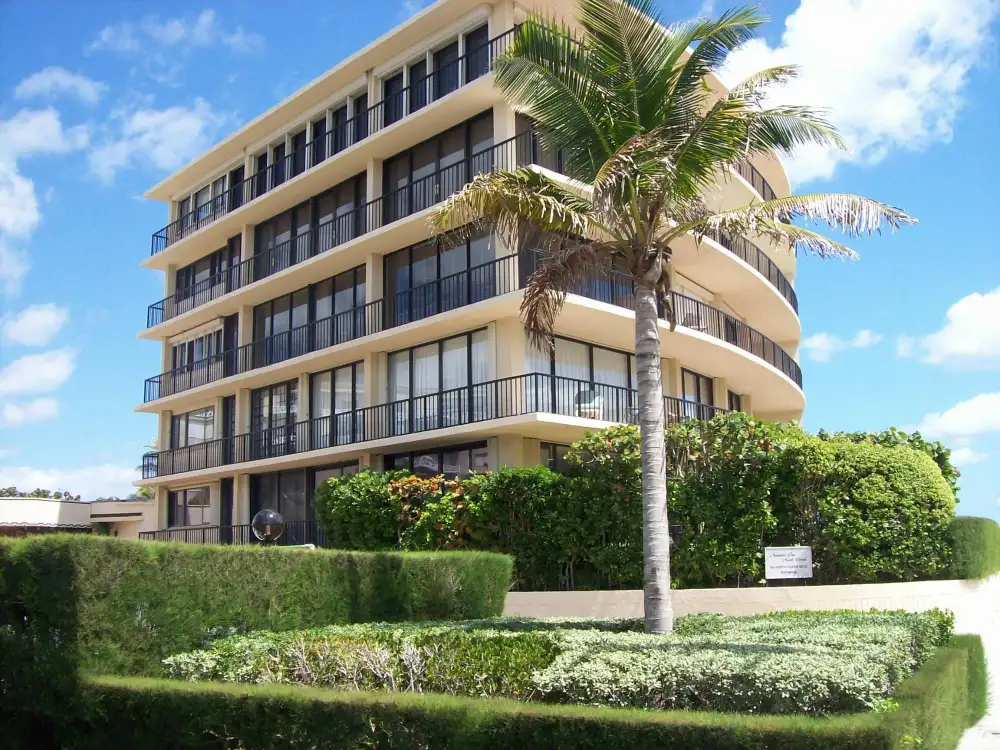
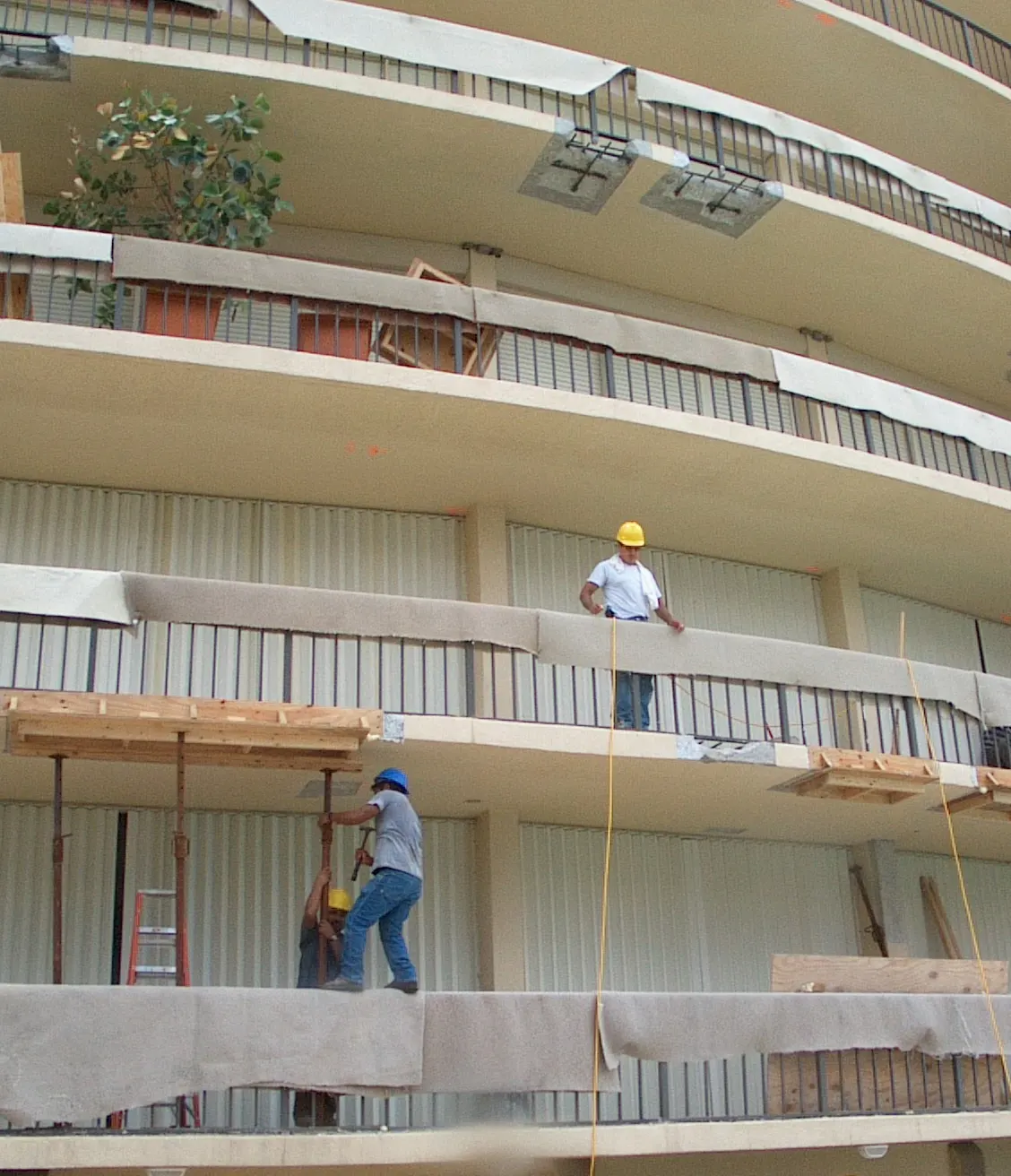
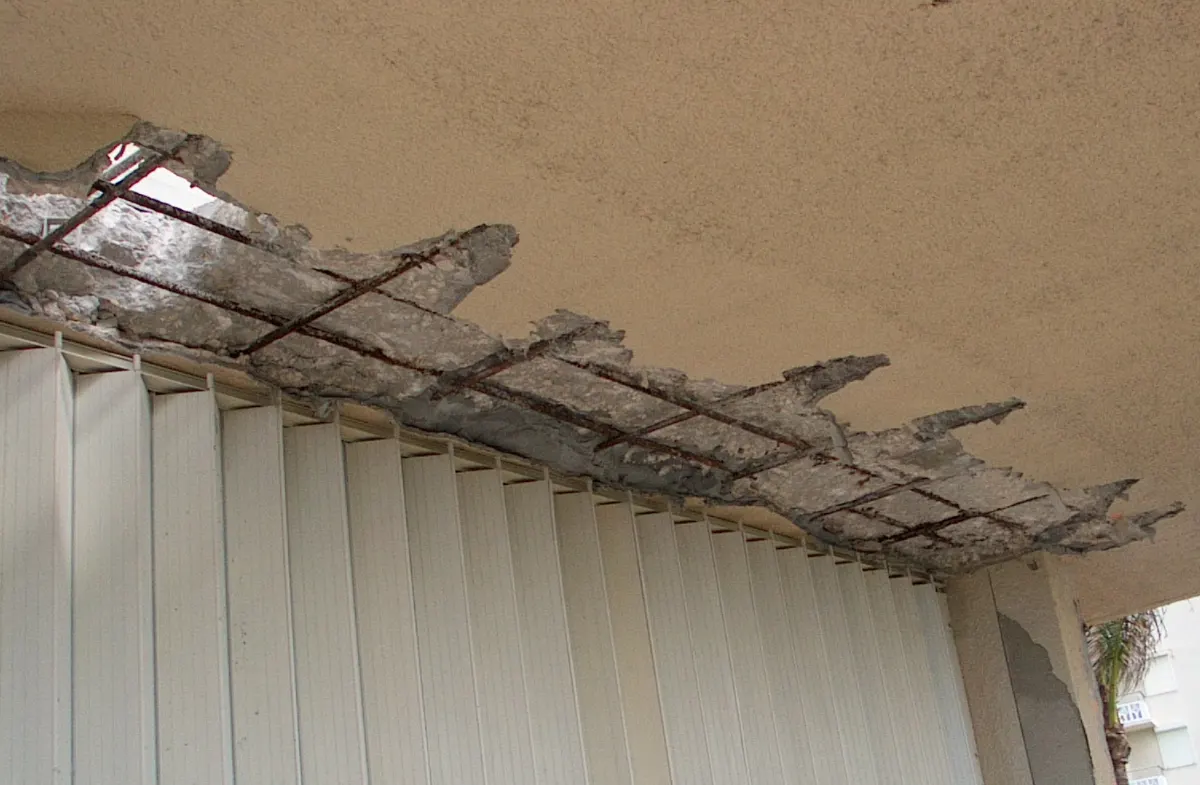
Condo Association Management — FAQ
How is condo association management different from HOA management?
In a condominium, owners hold title to their individual units while the association owns and is responsible for the common elements — roof, structure, exterior walls, elevators, and shared systems. A single-family HOA manages shared amenities and deed restrictions while each owner is responsible for their own house and roof. That difference is why condo management carries unit-owner assessment structures, common-element maintenance duties, and statutory obligations like the Milestone Inspection and SIRS that a typical HOA never faces. See our HOA management page for the single-family side.
Is BeacCorp licensed to manage condominium associations in Florida?
Yes. Randolph Scott Bell holds Florida Community Association Manager license CAM34850, and the firm holds CAM firm license CAB3255. Both can be verified through the Florida DBPR license search, and BeacCorp is a BBB A+ Accredited Business.
What are unit-owner assessments, and how are they handled?
Assessments are the dues each unit owner pays against the association's recorded budget, covering both operating expenses and reserve funding. We bill and collect regular assessments, track and escalate delinquencies per the board's policy and the association attorney's direction, and — when a reserve study or inspection finding requires it — help the board explain a special assessment to owners in plain terms: what it funds and how it was calculated.
What counts as a common element the association is responsible for?
Generally the roof, load-bearing structure, exterior walls, elevators, corridors, pool, parking areas, and the building systems that serve more than one unit. The exact boundary between a unit and a common element is set in your association's declaration of condominium — we work from that document, not a general assumption.
Does our building need a Milestone Inspection or a SIRS?
Both obligations apply to condominium and cooperative buildings three habitable stories or higher. The age triggers, the phase one and phase two process, the eight SIRS components, and where reserve funding now stands are laid out in full in our Milestone Inspection & SIRS guide for Palm Beach County boards. Confirm your building's specifics with your local building department and association attorney.
Can you handle repairs the inspection or reserve study calls for?
Yes, and it is the main reason condo boards call. Randolph holds a Certified General Contractor license (CGC1528750) and a Certified Roofing Contractor license (CCC1332751) alongside the CAM license, so an engineer's findings can be turned into a scoped, priced, supervised project instead of a second search. See roofing, concrete restoration, and impact windows & doors — the three line items that dominate most condominium reserve studies here.
Who will our board's point of contact be?
Randolph. BeacCorp is deliberately not a call center with a rotating rep — the board works with one licensed manager who also holds the contractor licenses.
Do you mark up maintenance and vendor invoices?
No. Vendor invoices are passed through at cost — the association sees exactly what we see. It is a fair question to ask every firm you interview, and the answer belongs in the management agreement rather than in a sales meeting.
What does condo association management cost?
It depends on the number of units, the building's age and story count, and the scope in the management agreement — a 20-unit low-rise and a 150-unit high-rise with an active Milestone Inspection are different contracts. The proposal and the consultation are free; call (561) 779-3213 for a quote.
Do you also manage single-family HOAs, or only condos?
Both. Condominium associations, single-family HOAs, co-ops, and planned communities throughout Palm Beach County — see our HOA management page for the single-family scope, which shares the same board-support and financial-reporting foundation but without the common-element and Milestone/SIRS obligations that come with a condominium building.
What communities do you serve?
Palm Beach County, Florida — including West Palm Beach, Loxahatchee and The Acreage, Wellington, Royal Palm Beach, Greenacres, Lake Worth, Boynton Beach, Palm Beach Gardens, and Jupiter.
How do we get a proposal for our condo association?
Call (561) 779-3213 or use the form on the BeacCorp property page. The first step is a conversation about the building, its documents, and what the board needs fixed — then a written proposal the board can set beside any other.
Are you a licensed CAM provider for large condo communities in Palm Beach County?
Yes. Randolph Scott Bell holds CAM34850 (individual Community Association Manager) and BeacCorp holds CAB3255 (Community Association Management Firm) — the two licenses Florida requires for condo association management, including large communities carrying an active Milestone Inspection or SIRS. The Certified General Contractor license (CGC1528750) and Certified Roofing Contractor license (CCC1332751) on the same team mean a large community's reserve-study findings can be scoped and priced without a second search.